







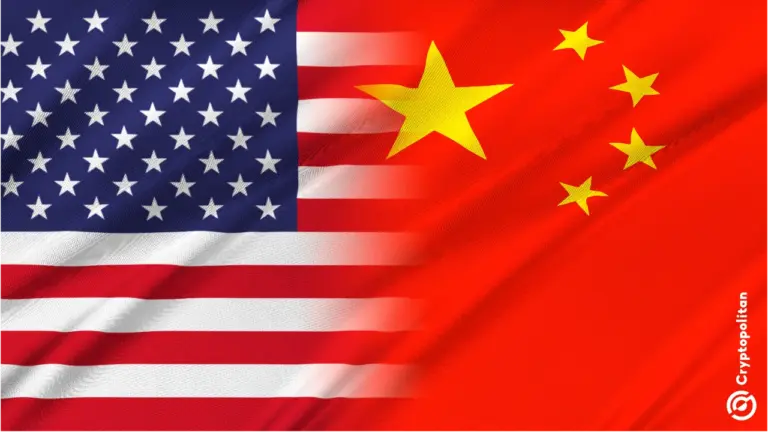
- Trump delayed new chip tariffs on China until June 2027 to maintain a trade truce with Xi.
- The USTR found China uses unfair tactics to dominate the semiconductor market.
- Tariffs will target raw chip materials, not finished electronics like phones or laptops.
President Donald Trump’s administration has decided not to impose new tariffs on semiconductor imports from China until June 2027, despite accusing Beijing of violating trade rules in the global chip market.
The delay follows a quiet trade ceasefire that Trump and Chinese President Xi Jinping reached in October during a meeting in South Korea, according to findings released Tuesday by the Office of the U.S. Trade Representative (USTR).
The nearly yearlong probe into China’s semiconductor sector started under former President Joe Biden in December 2024. At the time, Washington opened a Section 301 investigation into China’s chip manufacturing strategy, with expectations that any follow-up actions would fall under Trump’s watch once he returned to the White House.
The USTR was legally obligated to release its findings within 12 months of the probe’s launch.
The new timeline holds off on any duty hikes until June 23, 2027, with the tariff level on foundational chips remaining at zero for the next 18 months. “To a rate to be announced not fewer than 30 days prior to that date,” the notice read.
USTR findings accuse China of undermining U.S. chip industry
The USTR report concluded that China has used non-market tactics to support its chip sector while trying to push foreign markets into dependency on its cheaper, older generation chips.
These so-called foundational or legacy semiconductors aren’t cutting-edge, but they power everything from airplanes and automobiles to telecom networks and hospital equipment.
“China’s targeting of the semiconductor industry for dominance is unreasonable and burdens or restricts U.S. commerce and thus is actionable,” the USTR wrote in the public filing.
The investigation found China’s government has created policies that allow its chip companies to flood international markets with low-cost products, creating pressure for American and European suppliers. The European Union is also dealing with ripple effects.
In October, the Dutch government temporarily tried to seize control of Nexperia Holding BV, a chipmaker owned by China, citing national security concerns tied to the auto industry.
Despite the findings, Trump is holding off for now, trying to keep the October agreement with Xi intact.
That deal included a mutual understanding to scale back export restrictions and prevent another blow-up in tech tariffs. Still, Trump isn’t ruling out future action.
“The U.S. Trade Representative will continue to monitor the efficacy of this action, the progress made toward resolution of this matter, and the need for any additional action,” the office said.
Tariffs to target raw chip inputs, not finished goods
The potential new duties will not apply to finished products like smartphones or computers, even if they contain Chinese-made chips.
Instead, they’ll focus on core semiconductor inputs such as diodes, transistors, raw silicon, and electronic integrated circuits that are made in China.
Any product matching the criteria laid out in the Federal Register notice and falling under HTSUS heading 9903.91.05 will still be subject to antidumping, countervailing, or other fees already in place, along with new duties if implemented.
These products are described in subdivision (f)(ii) of note 31 to subchapter III of chapter 99 of the HTSUS.
Another technical change buried in the notice will kick in on December 23, 2025. From that date forward, any qualifying Chinese-origin products brought into U.S. foreign trade zones must enter under “privileged foreign status” as defined in 19 CFR 146.41.
That change makes them subject to additional duties when formally brought into U.S. markets. Only products considered “domestic status” under 19 CFR 146.43 will avoid these extra fees.
The decision to keep tariffs on ice while keeping a loaded gun on the table gives Trump’s administration flexibility.
If relations with Xi collapse, the U.S. has the legal framework and detailed tariff structure already mapped out. The Biden-era recommendation to double chip tariffs to 50 percent by the end of 2025 under a different Section 301 case still sits in the background, unused.
Don’t just read crypto news. Understand it. Subscribe to our newsletter. It's free.
Disclaimer. The information provided is not trading advice. Cryptopolitan.com holds no liability for any investments made based on the information provided on this page. We strongly recommend independent research and/or consultation with a qualified professional before making any investment decisions.

Jai Hamid
Jai Hamid has been covering crypto, stock markets, technology, the global economy, and the geopolitical events that affect markets for the past 6 years. She has worked with blockchain-focused publications including AMB Crypto, Coin Edition, and CryptoTale on market analyses, major companies, regulation, and macroeconomic trends. She has attended London School of Journalism and thrice shared crypto market insights on one of Africa’s top TV networks.









