







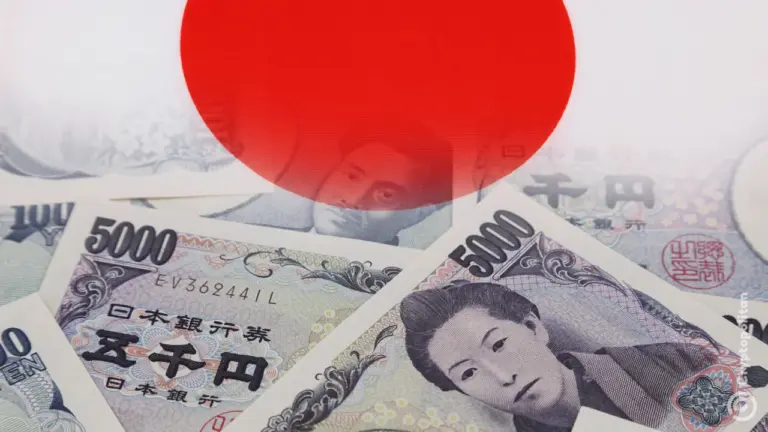
- Tokyo’s core inflation hit 2.8% in October, faster than expected.
- The rise was driven by the end of water subsidies and steady increases in service prices.
- The BOJ kept rates unchanged but faces growing pressure to tighten policy.
Tokyo’s inflation exceeded 2.8% in October, its fastest pace in months. The move raised expectations that the Bank of Japan might soon need to boost interest rates, with the October 29 data suggesting that the cost pressures are persistent at the same time as world inflation calms down.
The stronger number also drives a goal to pair the yen with increasing trader sentiment, suggesting that Japan’s decade of near-zero rates is almost over. According to the Ministry of Internal Affairs and Communications, the cost of core exclusive fresh food increased by 2.8% in October compared to the same month in the previous year.
The number was significantly higher than the 2.6% average forecast of experts and faster than the 2.5% increase in September. Prices that include both fresh food and energy, a measure the BOJ monitors to exclude commodity expense, increased 2.8%, the fastest since 2.4% in April.
BOJ remains cautious, but pressure is mounting
Tokyo’s main inflation has been at or above the BOJ’s 2% target for three and one-half years. Economists say the inflation in Tokyo, which is greater than projected, gives the Bank of Japan reason to consider another interest rate increase this year.
Bloomberg Economics economist Taro Kimura said Tokyo’s unexpectedly strong inflation in October could prompt the Bank of Japan to raise interest rates sooner than anticipated. He noted that companies are increasing prices for household goods, and the end of the city’s water-bill waiver has further added to the inflationary pressure.
It was in Tokyo in October when the main reason was the cessation of the city’s water charge waiver, which dramatically reduced prices in September. Without this relief, the value of the water increased rapidly, lifting the general index. The cost of semi-manufactured food and energy decreased in the meantime, indicating that inflation remains strong, not weak, driven by imported priorities.
The yen continued to strengthen after the data was released. It was around ¥153.84 per US dollar, compared to ¥154.17 before the announcement as investors increased their bets on a rate hike by the BOJ.
As Tokyo’s inflation figures are typically ahead of their nationwide counterpart, with this report to be published on November 19, some analysts predict that it will follow the same accelerating trend. Japan weighs inflation boost against wage boost.
Thursday, the BOJ’s board chose to maintain the bank’s benchmark short-term rate after the report. Tokyo’s governor, Kazuo Ueda, mentioned that the Bank of Japan would continue to hold its current stance until quantifiable wage growth supports the inflation increase.
Japan’s economy shows signs of resilience
The current rise has no basis in reality, according to Ueda, as the bank’s official goal is a 2% annual inflation target. Inflation has been rising above the standard 2 percent for the majority of the year, but according to Ueda, the “trend underlying inflation hasn’t been robust”.
The main problem was that while prices have been rising, businesses have been keeping wages moderate. Therefore, consumers are receiving less of a pay increase compared to the prices of goods. A majority of economists believe that the BOJ would consider making the hike next month, according to a Bloomberg survey.
Masamichi Adachi, chief economist at UBS Securities Japan, said the latest Tokyo CPI data makes a December rate hike by the Bank of Japan more likely, as it shows that domestic inflation momentum remains strong. He added that the figures give the central bank greater confidence in the sustainability of price growth. Meanwhile, Prime Minister Sanae Takaichi is introducing new measures to ease the cost-of-living burden on households.
Her cabinet has decided to cut the gasoline tax, lower current electricity and gas prices to support citizens this winter, and provide larger grants to local governments that can aid them.
Aside from inflation, other gauges of the Japanese economy were relatively consistent. Industrialization surged 2.2% month-to-month in September, up from the anticipated 1.5%, while retail sales rose 0.3% month-to-month and 0.5% annually – a clear indication of a strong consumer.
If you're reading this, you’re already ahead. Stay there with our newsletter.
Disclaimer. The information provided is not trading advice. Cryptopolitan.com holds no liability for any investments made based on the information provided on this page. We strongly recommend independent research and/or consultation with a qualified professional before making any investment decisions.

Nellius Irene
Nellius is a Business Management and IT graduate with five years of experience in the cryptocurrency industry. She is also a graduate of Bitcoin Dada. Nellius has contributed to leading media publications, including BanklessTimes, Cryptobasic, and Riseup Media.









