





- Tesla is telling U.S. suppliers to stop using China-made parts in cars built for the U.S.
- The push is driven by trade tensions, unpredictable tariffs, and a desire for more stable supply chains.
- While some parts have already been replaced, challenging components like battery materials remain hard to source outside China.
Tesla has instructed its suppliers to exclude components made in China when manufacturing its vehicles.
The U.S.-China tensions have resulted in major disruptions across many industries, leading companies to seek stable supply chains. Tesla is now telling its U.S.-based suppliers to avoid using parts made in China for vehicles manufactured in the United States.
Tesla asks suppliers to stop using China-made parts for U.S. cars
Tesla has reportedly already replaced some of the China-made components in its cars and plans to phase out the rest within the next year or two.
One of the reasons for this change is the uncertainty around tariffs and trade policy between the U.S. and China. Secondly, Tesla is attempting to strengthen and stabilize its supply chain after its experience with pandemic-related disruptions. Lastly, the tension between Washington and Beijing is forcing companies to “de-risk” by reducing dependence on China.
One of Tesla’s battery suppliers, Panasonic Energy, has reportedly made reducing China exposure its “No. 1 objective” for its U.S.-made batteries.
Other major automakers, like General Motors, have given similar instructions to suppliers. GM reportedly told thousands of its suppliers to stop sourcing from China, with a goal to end many of those ties by 2027.
Replacing Chinese parts won’t be easy
Automakers active in the US markets intend to stop using Chinese products in their vehicles, but some of those components are especially difficult to substitute. For example, China-based firms dominate the battery material industry.
Tesla’s suppliers will need to find alternatives for parts like lithium-ion battery materials, printed circuit boards, and electronic control units.
Another problem with this strategy is that it drives up costs for suppliers that move production or source away from China. It could also require major reengineering. Tesla may have to rely more on suppliers in North America, Southeast Asia, or elsewhere.
So far, Tesla has not clarified which remaining parts are most dependent on China, or how quickly all replacements will be made. Swapping suppliers or reworking manufacturing could also affect the quality of the EV maker’s products and production speed.
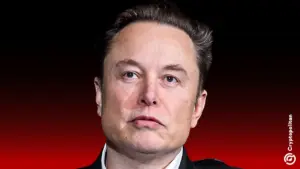
All of that will be Elon Musk’s headache now as he attempts to lead the EV maker into the next phase of its growth, where he could unlock a bumper and equally controversial $1 trillion pay package.
If you're reading this, you’re already ahead. Stay there with our newsletter.

Hannah Collymore
Hannah is a writer and editor with nearly a decade of blog writing and event reporting experience in the crypto space. At Cryptopolitan, Hannah contributes to the news page, reporting and analyzing the latest developments in DeFi, RWA, crypto regulation, AI and frontier tech industries. She graduated from Arcadia university with a degree in Business Administration.









