


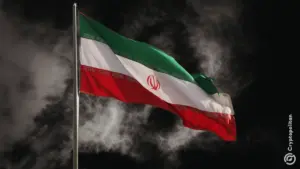



Surge in Middle East oil supply brings lower prices and new macroeconomic risks

- Bessent says sanctions forced Tehran to talk as a U.S.-Iran deal reopened the Strait of Hormuz.
- Brent dropped over 20% this month as oil flooded back with about 20 million barrels in 24 hours.
- Cheaper oil may overheat the economy, risking higher inflation and a Fed rate hike.
U.S. Treasury Secretary Scott Bessent said the country’s pressure campaign pushed Iran into talks, claiming the government in Tehran was forced to negotiate after its finances collapsed.
“We have laid Iran’s economy to waste, that’s what brought them to the table,” Bessent said while talking about where the American economy goes after the war with Iran.
He pointed to the effect of sanctions and said Washington and Tehran had reached a deal that requires Iran to reopen the Strait of Hormuz, the narrow waterway that carries close to one-fifth of the world’s oil.
When fighting spread across the Middle East, the route was closed off. That shutdown sent oil and gas prices climbing and helped drive up inflation in the United States.
The Bureau of Labor Statistics said that rising energy costs were the main reason prices went up in May.
Energy prices, including gasoline and heating fuel, accounted for over 60% of the increase, with gas prices nearly 59% higher than a year ago.
A recent agreement to end the U.S.-Israeli war reopened the strait for shipping and started a 60-day period of talks on issues like Iran’s nuclear program.
Officials expect oil supplies to increase because Iran may be able to sell more oil during a temporary easing of U.S. sanctions and a short-term waiver allowing buyers to receive oil already loaded onto ships.
Oil floods back into the market
Once the route opened again, oil poured back into the market. Energy Secretary Chris Wright said about 20 million barrels of crude left the Strait of Hormuz in 24 hours on 72 ships.
Traffic through the passage doubled from the day before and hit its highest point since late February, based on figures from CNN and MarineTraffic.
“We have normal flows today,” Wright said, noting the amount matched recent levels after an earlier U.S.-Iran deal to stop the fighting.
“Iran will not have the ability to close the Strait of Hormuz going forward. That’s a critical thing, that’s their key leverage, and we’re taking that leverage away from them,” he added.
UBS analyst Giovanni Staunovo said most of the rise in traffic came from ships leaving rather than entering. “Most of the increase in flows from the Gulf is outbound, with ships exiting the Strait,” he said.
He noted shipments had already been picking up in early June, helped by ship-to-ship transfers in the Gulf of Oman, which lifted total flows from a May low of 9.6 million barrels a day to around 12 million.

A new worry for the economy
The drop in prices brings its own problems for the economy.
Apollo’s chief economist warned that reopening the strait could “overheat” the economy, lift inflation further and push the Federal Reserve to raise interest rates.
The Fed said in its latest decision that inflation “remains elevated” against its 2% target, and officials had flagged an “increased risk” that it could take longer to cool, with most saying a rate hike might be needed.
Torsten Slok of Apollo wrote that the “narrative in markets is changing,” arguing that cheaper oil could add demand to an “already overheating economy.”
He cited April CPI at 3.8% and May at 4.2%, the highest since April 2023, plus 172,000 new nonfarm jobs in May and a “hawkish” Fed.
Don’t just read crypto news. Understand it. Subscribe to our newsletter. It's free.
Disclaimer. The information provided is not trading advice. Cryptopolitan.com holds no liability for any investments made based on the information provided on this page. We strongly recommend independent research and/or consultation with a qualified professional before making any investment decisions.

Hania Humayun
Hania joined Cryptopolitan with a long history of analyzing finance, economic trends, and prediction markets. She covered topics in emerging technology, AI, and fintech. Hania’s experiences as a licensed architect have added verve and precision to newswriting. She graduated from the National College of Arts in Lahore with an Architecture degree,









