





Spain passes laws to combat AI deepfakes, consent rules with image generation

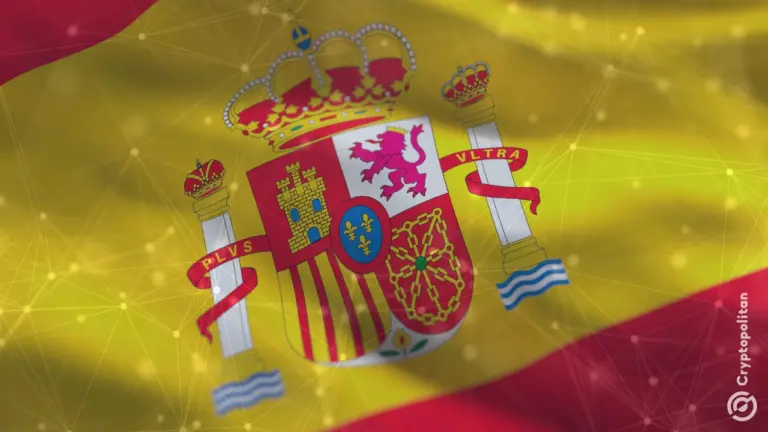
- Spain’s cabinet approved draft legislation requiring consent for AI-generated images and voices, setting the minimum consent age at 16.
- The new laws prohibit using AI-generated likenesses for advertising without permission, with exceptions for clearly labeled creative content involving public figures.
- Indonesia and Malaysia have banned Grok following its generation of inappropriate images of minors and women on X.
Spain is passing laws that make the use of AI to generate individuals’ images and voices for use in advertisements without their consent unlawful.
Spain’s laws against unlawful AI use include exceptions for creative content involving public figures that are clearly labeled as AI generated. Other countries like Indonesia and Malaysia have also made moves to prevent the spread of inappropriate AI generated content.
What are Spain’s laws regarding deepfakes?
Spain’s cabinet has approved a draft legislation that establishes new consent requirements for digital images and AI deepfakes. The legislation will strengthen protections for minors and establish 16 as the minimum age at which individuals can consent to the use of their own image.
This law directly addresses concerns about children’s digital safety in an era where AI tools can easily manipulate or replicate personal content.
Justice Minister Felix Bolanos stated that individuals sharing their personal or family images on social media does not give others the freedom to use those images as they like.
The law includes exceptions for creative, satirical, or fictional uses. For instance, content involving public figures will remain permissible, provided the content is clearly identified as AI-generated.
New EU rules also require all member states to criminalize non-consensual sexual deepfakes by 2027.
Are deepfakes legal in Spain?
Elon Musk’s xAI chatbot Grok, has recently faced investigations over sexually explicit deepfake images. As Cryptopolitan reported last week, Grok ran into trouble generating roughly one non-consensual sexualized image per minute at its peak, placing women and minors in revealing poses or removing clothing from uploaded photos.
During the incident earlier this month, the Spanish government requested that prosecutors determine whether certain AI-generated content could be considered as child pornography.
Before becoming law, the draft will go through consultations with stakeholders and then return to the government for final approval before it is submitted to parliament.
Aside from Spain, Indonesia and Malaysia have also taken action against Grok after it generated thousands of non-consensual sexually explicit deepfakes, including images of children. Both countries were the first to completely block the chatbot.
The UK’s media regulator Ofcom is launching a formal investigation into the incident that could result in fines up to 10% of X’s global revenue or a complete ban.
The smartest crypto minds already read our newsletter. Want in? Join them.

Hannah Collymore
Hannah is a writer and editor with nearly a decade of blog writing and event reporting experience in the crypto space. At Cryptopolitan, Hannah contributes to the news page, reporting and analyzing the latest developments in DeFi, RWA, crypto regulation, AI and frontier tech industries. She graduated from Arcadia university with a degree in Business Administration.









