





South Korea inflation cools to 2.3% but stays above BOK target for 4th month

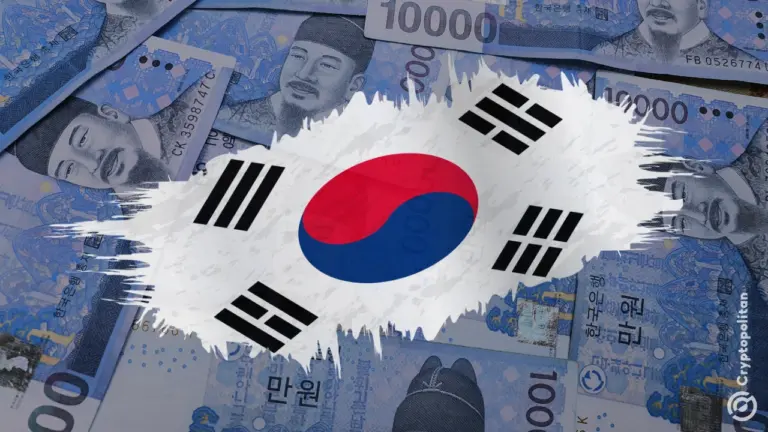
- South Korea’s inflation slowed to 2.3% in December but stayed above the Bank of Korea’s 2% target for the fourth month in a row.
- Core inflation remained at 2%, making a near-term interest rate cut unlikely.
- Rising food prices, a weak won, and strong housing demand are keeping inflation risks elevated.
South Korea’s financial reports revealed that the country’s price growth declined at a slower rate, mainly due to a slight increase in food and general living costs. However, even with this finding, consumer inflation levels have remained above the Bank of Korea’s 2% target for the fourth consecutive month.
South Korea’s consumer price surges as anticipated
Core inflation, which eliminates the fluctuating prices of food and energy, increased at a rate of 2%, similar to the rate recorded in November. At this moment, analysts have discovered that both overall and core inflation rates remain near the Central Bank of South Korea’s target.
Following the release of this data, analysts anticipated that price pressures in the country were starting to decline. However, they noted that there is a high possibility that these figures may not be sufficient to influence the BOK to consider restarting its monetary easing cycle when its officials establish policy on January 15.
In the meantime, the current strength demonstrated in the property market sparks discussion in the industry regarding surging mortgage debt levels that could lead to financial problems, prompting the central bank to exercise caution about adding more stimulus.
Furthermore, sources highlighted a high likelihood that the cost of living will continue to increase. This assumption was made after officials in the country issued a warning, suggesting that high food prices could cause inflation levels to rise more than anticipated in 2026, despite basic price pressures remaining in check most of the time.
As uncertainties surrounding South Korea’s financial status intensify, a reliable source released a report this month noting that prices for food and non-alcoholic beverages have increased sharply by approximately 3.6% compared to last year. The costs of Housing and utilities, on the other hand, dropped drastically by 3%, while costs related to transportation soared by 3.2%.
Costs of telecommunications, alcoholic drinks, and tobacco products are reported to be the primary factor behind this decline. In response to this situation, policymakers acknowledged the weakness of the won. They vowed to closely examine the possible risks that could result from this weakness as they weigh suitable measures to address the issue. They warned that these risks could lead to price hikes for imported goods in the nation, which depends heavily on foreign food and energy supplies.
Generally, consumer price rises were moderate in November, with the costs of education soaring by approximately 1.6% and recreation and culture increasing by about 1.2%, both slower than in the last month.
On the other hand, apartment prices in Seoul continued to rise for the 47th consecutive week as of December 22, according to data from the Korea Real Estate Board, thereby raising concerns among central bank officials who worried that lowering interest rates could lead to financial imbalances.
The BOK opts to eliminate the possibility of further rate cuts in 2026
The BOK decided to keep its key interest rate unchanged at 2.5% in late November. At this point, the central bank opted to increase its growth and inflation predictions slightly. Its team also chose to eliminate a statement regarding continuing to think about rate cuts, prompting several economists to believe that the cycle of easing rates could be wrapped up.
To address this issue, officials have declared that they are exploring various possibilities. One suggested effective solution was noted after the bank announced that it would discard the possibility of further rate cuts next year as it focuses on financial stability threats from foreign exchange and housing markets.
“We think CPI will stay high for a while because a weaker won raises import costs and keeps underlying pressures strong. This ongoing inflation situation supports our belief that the BOK will overlook the recent dip in factory production and maintain the policy rate at 2.5%,” said economist Hyosung Kwon.
The smartest crypto minds already read our newsletter. Want in? Join them.
Disclaimer. The information provided is not trading advice. Cryptopolitan.com holds no liability for any investments made based on the information provided on this page. We strongly recommend independent research and/or consultation with a qualified professional before making any investment decisions.

Nellius Irene
Nellius is a Business Management and IT graduate with five years of experience in the cryptocurrency industry. She is also a graduate of Bitcoin Dada. Nellius has contributed to leading media publications, including BanklessTimes, Cryptobasic, and Riseup Media.









