





SEC Chair Atkins targets $2.7B annual regulatory burden in push ‘to make IPOs great again.’

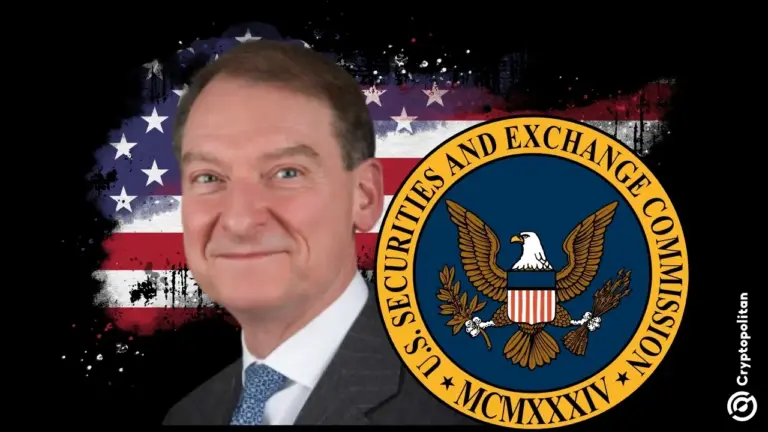
- Securities and Exchange Commission Chairman Paul Atkins testified that U.S. public companies spend approximately $2.7 billion a year preparing annual reports.
- Atkins proposed a 3-pillar plan for his greater agenda to “make IPOs great again.”
- The Securities Industry and Financial Markets Association (SIFMA) supports this plan as it eases the IPO path for small companies.
SEC Chair Paul S. Atkins, in his testimony before the House Financial Services Committee, doubled down on what he called a burdensome regulatory system, arguing that the roughly $2.7 billion annual spend by public companies just to prepare and file required annual disclosures with the SEC was too much.
According to Atkins, spending this much on lawyers, accountants, and consultants instead of on business innovation or growth only serves to deter companies from going public, with companies deciding to stay private or list overseas.
Regulatory burden seen as deterrent to capital formation
Before Congress, Atkins stated that lengthy and bogus public disclosure documents, including annual reports, only “do more to obscure than illuminate” for investors, with many of the public disclosure documents similar in length to the famous novel War and Peace.
Atkins argues that decades of endless rules and regulations have contributed to a 40% drop in the companies on the U.S. exchange. In the 1990s, it peaked at 7,800, but now it stands at 4,700.
While the U.S. remains the largest capital market, Atkins fears that it will lose its competitive edge if changes aren’t made.
In response, Atkins has laid out a three-pillar plan to “make IPOs great again” and cut down on the red tape:
- Re-anchoring disclosures in materiality so that investment decisions can turn on economic signals rather than on regulatory noise;
- De-politicizing shareholder meetings by restoring their focus to significant corporate matters;
- Allowing public companies to have litigation alternatives to shield innovators from the frivolous and investors from the fraudulent.
IPO activity has been subdued for years
Atkins’ review has generally been received well. Not so long ago, the Securities Industry and Financial Markets Association (SIFMA) publicly backed Atkins’ efforts to ease regulatory demands on smaller firms that might consider listing on the U.S exchange.
Acting SIFMA Chair Ronald J. Kruszewski concurs with Chairman Atkins on the need for regulation reduction due to a “lackluster IPO market”.
The U.S. IPO market has dwindled over the past decade, with increased regulatory burdens, higher cost of compliance, and a volatile market taking the blame for smaller firms choosing to accept private funding rather than IPO.
The JOBS Act of 2012 was supposed to address these issues, but as times have changed, more modern legislation is needed.
The debate between those who prioritize capital formation and less regulation and those who focus on investor protection will rage on for now. It remains to be seen how Chairman Atkins’ plans will pan out, and a large part of their success will be decided by the market, as always.
The smartest crypto minds already read our newsletter. Want in? Join them.
Disclaimer. The information provided is not trading advice. Cryptopolitan.com holds no liability for any investments made based on the information provided on this page. We strongly recommend independent research and/or consultation with a qualified professional before making any investment decisions.

Hannah Collymore
Hannah is a writer and editor with nearly a decade of blog writing and event reporting experience in the crypto space. At Cryptopolitan, Hannah contributes to the news page, reporting and analyzing the latest developments in DeFi, RWA, crypto regulation, AI and frontier tech industries. She graduated from Arcadia university with a degree in Business Administration.









