






- Scott Bessent said the government shutdown is now hitting the real economy and forcing furloughs and delayed payments.
- Military pay is prioritized, but agencies like the Smithsonian and National Zoo are affected.
- Trump will still meet Xi Jinping in South Korea despite rising tensions over rare earths and tariffs.
The U.S. government shutdown has started to dig into the real economy, Scott Bessent said on Monday, as the closure entered its 13th day.
Speaking on Fox Business Network’s Mornings with Maria, Scott said, “This is getting serious. It’s starting to affect the real economy.” The Treasury Secretary confirmed that the government is now forced to prioritize who gets paid, ensuring U.S. military service members receive their paychecks while holding back payments to other federal workers.
That includes staff in Smithsonian museums, the National Zoo, and other public institutions now going dark.
Scott explained that the Treasury is “having to shuffle things around,” furloughing workers both in Washington, D.C., and across the country. He noted that the freeze has also delayed U.S. aid for farmers and that Treasury economic data will not be released until the shutdown is resolved.
The federal standoff, which has dragged on without a budget deal, has begun rippling through key sectors, from agriculture to tourism, putting more economic pressure on an already fragile environment.
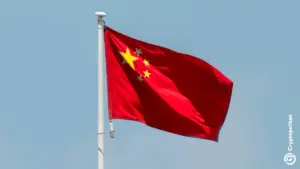
Bessent confirms Trump-Xi meeting still on despite rare earths clash
Even as domestic tensions rise, Scott said President Donald Trump will still meet with Chinese leader Xi Jinping later this month in South Korea, during the Asia-Pacific Economic Cooperation (APEC) summit. He said that both sides have been communicating heavily after a sharp escalation last week between Washington and Beijing.
“We have substantially de-escalated,” Scott said, adding that “President Trump said that the tariffs would not go into effect until November 1. He will be meeting with Party Chair Xi in Korea. I believe that meeting will still be on.”
The week’s turmoil began Thursday when China announced plans to expand rare earth export controls, a move that triggered Trump to respond Friday with a 100% tariff threat on Chinese goods. That sent global markets tumbling, with the S&P 500 plunging more than 2% in its worst single-day drop since April. The Nasdaq Composite fell sharply Friday but rebounded nearly 2% by Monday, joined by about 1% gains across major indexes as investors saw some relief from calmer statements out of the Treasury.
Scott confirmed that U.S. and Chinese staff-level meetings will take place this week in Washington on the sidelines of the World Bank and IMF gatherings. “The 100% tariff does not have to happen,” he said. “The relationship, despite this announcement last week, is good. Lines of communication have reopened, so we’ll see where it goes.”
His remarks helped ease some of the anxiety that had been driving volatility across both Wall Street and crypto markets, where traders have been watching global trade and fiscal developments closely.
U.S. pushes back hard as China expands export controls
Still, Scott called China’s move “provocative” and said the United States pushed back aggressively. He stated that the U.S. has been in contact with European, Indian, and Asian democratic allies to coordinate a joint stance. “China is a command and control economy,” Scott said. “They are neither going to command nor control us.”
China, for its part, accused Washington of hypocrisy on Sunday, saying the 100% tariff threat was unfair. It defended its rare earth curbs, arguing that such materials, crucial for tech manufacturing, require tighter control.
Under Beijing’s new regulations, foreign companies that produce rare earth magnets or components using Chinese materials or equipment must now apply for a Chinese export license, even if the end product doesn’t involve Chinese firms.
Scott said flatly that the United States will not recognize or comply with those licensing requirements. “The United States would reject licensing requirements from China,” he said on Mornings with Maria.
The smartest crypto minds already read our newsletter. Want in? Join them.
Disclaimer. The information provided is not trading advice. Cryptopolitan.com holds no liability for any investments made based on the information provided on this page. We strongly recommend independent research and/or consultation with a qualified professional before making any investment decisions.

Jai Hamid
Jai Hamid has been covering crypto, stock markets, technology, the global economy, and the geopolitical events that affect markets for the past 6 years. She has worked with blockchain-focused publications including AMB Crypto, Coin Edition, and CryptoTale on market analyses, major companies, regulation, and macroeconomic trends. She has attended London School of Journalism and thrice shared crypto market insights on one of Africa’s top TV networks.









