






- San Mateo County has voted to create rules for the use of humanoids in businesses.
- Companies will be required to apply for and pay for a permit before using humanoid robots at work, if approved.
- The officials say the legislation is meant to prepare public agencies, not to ban robots.
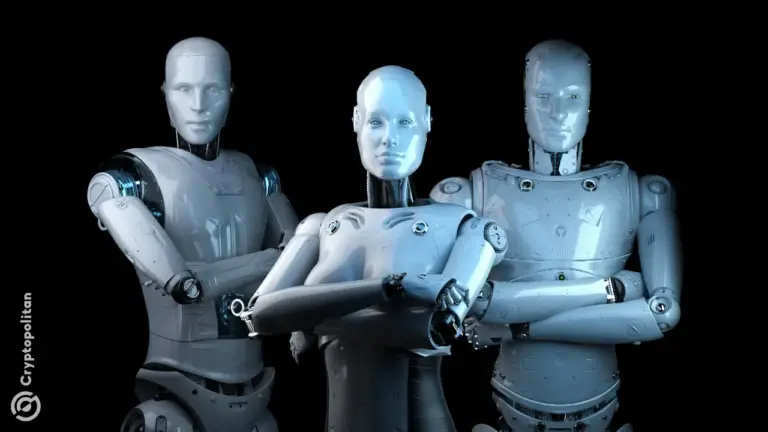
San Mateo County may soon become one of the first places in the United States to regulate the commercial use of humanoid robots.
The San Mateo County Board of Supervisors voted unanimously on Tuesday to start creating local rules that would require businesses to get a permit before using humanoid robots for work.
San Mateo County proposes permit, safety, and fire equipment requirements
The board has not passed final rules yet. Instead, it approved a resolution asking county legal and administrative staff to write a formal ordinance, according to reports.
If approved, this ordinance would require companies to apply and pay for a permit before using humanoid robots at work.
The proposed permit rules would do more than just approve robot use. The plan includes emergency kill switches, fire safety steps, and a way to track possible job losses. Money from permit fees would go toward buying firefighting equipment.
Supervisor Ray Mueller, who wrote the measure, said the goal is to prepare for new technology before it becomes widespread.
“I think what you need to do is you need to go ahead and look at the technologies that’s coming, understand what pitfalls may be there, and then try to go and put in a framework to address them as quickly as you can so it doesn’t get out of control,” Mueller told ABC7.
Fire safety is a key reason for the county’s plan. Mueller noted that lithium-ion battery fires have increased with e-bikes, laptops, and cars, and said the county might need special equipment to handle fires from battery-powered robots.
Firefighters shared this concern at Tuesday’s meeting. Richard Seguine, a spokesperson for the firefighters’ union, warned that having more of these machines in homes and workplaces could increase the number of battery fires, according to KQED. He explained that battery fires burn hotter, release more toxins, and need special equipment to control. Mueller said money from permits would pay for this equipment.
Humanoid robots are already on the clock
Robots are already being used in California. KQED reported that robotic arms serve coffee at San Francisco International Airport and Stonestown Mall, driverless cars give rides, and wheeled coolers deliver food in San José. In San Francisco, Tau Robotics rents out humanoid cleaners for homes and offices at $30 an hour, but the company’s website says a remote human operator supervises them.
The resolution says California does not have a full set of rules for how humanoid robots are used, and argues that early action would help the county “encourage the responsible integration of emerging technologies.”
Mueller believes the data from permits is valuable. “Data like that is like gold to public agencies,” he told KQED, saying it helps track how robots are used and assess risks like job loss, fires, and safety.
San Mateo County clarifies scope of permit proposal
Mueller was careful to describe the limits of the plan. He said the legislation is meant to prepare public agencies, not to ban the technology or restrict it. “As the technology is implemented, we need to make sure that public agencies are able to properly adapt,” he said, per KQED.
Holly Elmore, executive director of Pause AI, praised the county for taking risks seriously but said no set of safeguards can foresee every failure. Her group, she told ABC7, backs a pause on frontier AI development instead.
If you're reading this, you’re already ahead. Stay there with our newsletter.
FAQs
What did San Mateo County actually approve?
The Board of Supervisors unanimously passed a resolution on Tuesday directing county legal and administrative staff to draft a formal ordinance that would require businesses to obtain a permit before deploying commercial humanoid robots.
Why does the plan tie robot permits to firefighting?
Permit fees would fund specialized equipment for lithium-ion battery fires, which officials and the firefighters' union say burn hotter, release more toxins, and are harder to control than typical fires.
Are humanoid robots already working in the Bay Area?
Yes, in limited pilots. In San Francisco, Tau Robotics rents humanoid cleaners for homes and offices at $30 an hour, supervised remotely by a human operator, and labor advocates report pilot use in cleaning, manufacturing, and warehouse work.

Ibiam Wayas
Ibiam Wayas has covered the crypto news beat since 2019. He studied Computer Science at National Open University of Nigeria. His work has appeared on various crypto news platforms, including Coinfomania, Crypto News Australia, and AltcoinBuzz. Drawing on his background in Computer Science, he now focuses on crypto, robotics, and longevity news.









