



- Reeves requests an additional £6 billion to fund government spending.
- Treasury plans to cut household bills and lower inflation.
- Experts warn that the government must strike a balance between spending and rising costs.
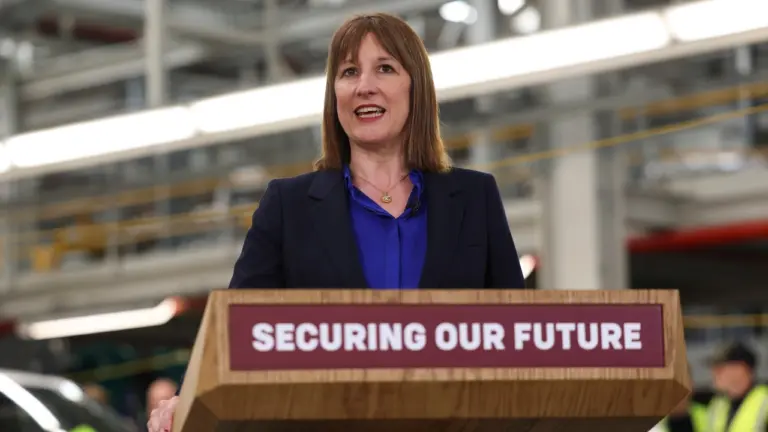
Rachel Reeves, the UK Chancellor of the Exchequer, is heading into the 26 November Autumn Budget with a dual mission: to carve out at least £6 billion in fiscal headroom and to prioritize bringing inflation under control.
Officials at the Treasury have asked the Office for Budget Responsibility (OBR) to reduce energy bills, rail fares, and other regulated prices in their forecasts, to free up more money for spending on public services.
Reeves wants to spend more money on public services
Reeves informed the OBR that lower inflation will reduce the government’s borrowing costs and increase the amount it spends on improving public services, such as healthcare, schools, and roads, without breaching fiscal rules.
The government already has a budget gap of about £35 billion because it now expects the economy to grow more slowly than initially anticipated, interest rates have increased, and welfare cuts have been reversed. Reeves will use the extra £6 billion to support people and communities, strengthen public services, and plan for future growth simultaneously.
Economists like Dan Hanson from Bloomberg Economics say the OBR has the final say because it is an independent watchdog that produces the forecasts behind every UK budget. However, Reeves’ request could succeed, as history shows the OBR has made changes when the market or government plans changed.
Reeves will receive additional funding to spend once the OBR accepts her request, which will demonstrate to everyone that the government is taking proactive steps to manage the crisis. Her goal is to make life easier for people and businesses in the region.
The Treasury wants to lower prices to reduce inflation
Treasury officials aim to reduce energy bills, rail fares, and other regulated costs to help families afford everyday essentials and enable the Bank of England to lower interest rates. Low interest rates will make borrowing more affordable for both businesses and households and reduce the cost of government debt.
The Treasury wants to remove climate and social tariffs from energy bills and cut value-added tax (VAT) on essential goods. They will also freeze air passenger duty to prevent travel costs from rising further, reduce taxes on alcohol and tobacco, and delay planned tax increases on vapes and electric vehicles.
With these actions, families and businesses will be able to allocate more funds to other essentials, and companies will also maintain their costs at a low level.
Economists predict that the government will lower inflation by around 0.5%, making a significant difference for businesses and families facing high costs in the economy. Even a small decrease in inflation will reduce the pressure on interest rates and make borrowing less expensive over time.
The Bank of England Governor, Andrew Bailey, stated that reducing regulated prices can result in a reduction of 0.4 to 0.5 % points in service price inflation. He also said the central bank will reduce interest rates sooner to help households with mortgages, loans, and daily expenses if the measures are effective.
Officials at the Treasury are transparent about their plans to reduce costs for families and businesses, as they aim to increase confidence in the government and facilitate collaboration among all parties involved in driving economic growth.
Inflation in the UK is currently at 3.8%, which is almost double the Bank of England’s target of 2%. The base interest rate remains at 4%, so the government must balance supporting economic growth, controlling inflation, and ensuring public finances remain sustainable. Anything that goes wrong could increase the costs of goods and services even further, and the economy will fall even deeper.
The Treasury aims to focus on energy, rail fares, and other regulated costs, as the government can have a direct impact on these areas.
If you're reading this, you’re already ahead. Stay there with our newsletter.
Disclaimer. The information provided is not trading advice. Cryptopolitan.com holds no liability for any investments made based on the information provided on this page. We strongly recommend independent research and/or consultation with a qualified professional before making any investment decisions.

Nellius Irene
Nellius is a Business Management and IT graduate with five years of experience in the cryptocurrency industry. She is also a graduate of Bitcoin Dada. Nellius has contributed to leading media publications, including BanklessTimes, Cryptobasic, and Riseup Media.