






OCC exposes banks ‘inappropriate’ customer distinctions across multiple sectors

- JPMorgan, Bank of America, Citigroup and others were found to have made “inappropriate distinctions” that limited access for industries from firearms to digital assets.
- The findings follow a Trump-ordered crackdown on politically or religiously motivated debanking and an ongoing review of thousands of related complaints.
- Banks defend their actions as standard risk management, rejecting claims of political discrimination and calling for clearer regulatory guidance.
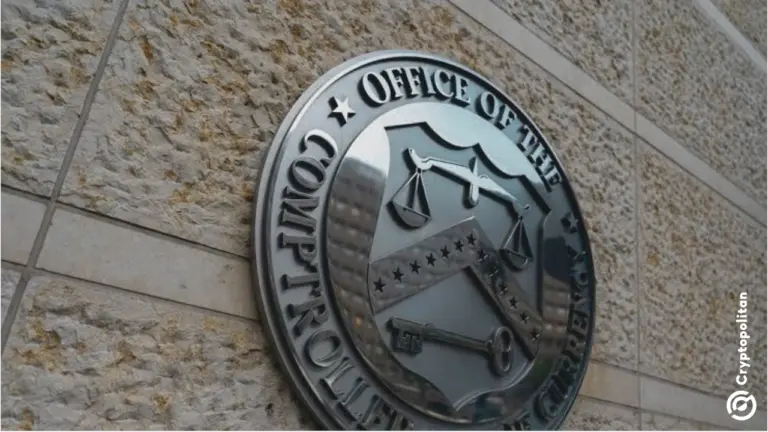
According to findings released Wednesday by the Office of the Comptroller of the Currency (OCC), nine of America’s largest banks maintained policies that restricted certain customers’ access to banking services between 2020 and 2023, making it the first public confirmation of practices that President Donald Trump has repeatedly criticized as “debanking.”
The OCC found that JPMorgan Chase, Bank of America, Citigroup, Wells Fargo, U.S. Bancorp, Capital One, PNC Financial Services Group, Toronto-Dominion Bank, and Bank of Montreal made “inappropriate distinctions” among customers, requiring some to undergo escalated reviews and approvals or face restricted access to banking services altogether.
The affected sectors ranged widely, including oil and gas exploration, coal mining, firearms manufacturers, private prisons, payday lenders, tobacco and e-cigarette companies, adult entertainment businesses, political action committees, and digital asset firms.
According to the OCC, all these happened between 2020 and 2023, with the regulator’s six-page report confirming that similar policies and practices were in place at each of the banks reviewed.
“The OCC is committed to ending efforts, whether instigated by regulators or banks, that would weaponize finance,” said Jonathan Gould, the agency’s acting comptroller.
Trump administration probes the banks
The findings follow months of heightened attention to the issue from the Trump administration. In August, the president signed an executive order alleging that financial institutions had restricted access to services based on customers’ political or religious beliefs.
The order directed regulators to eliminate reputation risk as a factor in banking decisions and require banks to base their determinations on individualized, objective, and risk-based analyses.
The OCC began sending letters to major Wall Street lenders in September demanding details on their practices, after Trump and other Republicans repeatedly raised concerns about banks depriving certain individuals and businesses of services.
The Wednesday report represents the first formal findings from that inquiry, though the agency said it is still reviewing thousands of complaints to identify instances of political and religious debanking.
At the conclusion of its review, the OCC intends to hold banks accountable for any unlawful debanking activities, including by making referrals to the Attorney General as required by the executive order.
Industry defends risk management approach
Banking industry representatives have pushed back against the description of their practices as discriminatory. The Bank Policy Institute, a trade group representing many of the named institutions, said in a statement that banks have a strong incentive to serve as many customers as possible to drive economic growth.
“The industry supports fair access to banking and is already working together with Congress and the administration to ensure banks are able to serve law-abiding customers,” the group said.
Citigroup, PNC, BMO, and U.S. Bancorp, and the other accused banks are yet to comment on the matter, according to representatives for the other lenders.
Some bank executives have previously called for greater regulatory clarity around reputational risk, saying they do not discriminate based on political affiliations while maintaining that they must manage various forms of risk.
Debate over scope and causes
Consumer advocates contend there is little evidence to show that the debanking issue is widespread, with former Fed Vice Chair Michael Barr stating in February that he had not seen evidence of political debanking and describing account closures as appropriate risk management.
However, critics argue that bank examiners have pushed lenders to sever ties with politically sensitive clients even when they posed no threat to the bank’s safety and soundness.
Don’t just read crypto news. Understand it. Subscribe to our newsletter. It's free.

Hannah Collymore
Hannah is a writer and editor with nearly a decade of blog writing and event reporting experience in the crypto space. At Cryptopolitan, Hannah contributes to the news page, reporting and analyzing the latest developments in DeFi, RWA, crypto regulation, AI and frontier tech industries. She graduated from Arcadia university with a degree in Business Administration.









