


- Nintendo is addressing rising development costs for Switch 2 by investing in efficiency.
- Switch 2 and its games come with higher prices, raising concerns about accessibility for younger audiences.
- To balance big-budget projects, Nintendo is also exploring smaller-scale games with shorter development cycles.
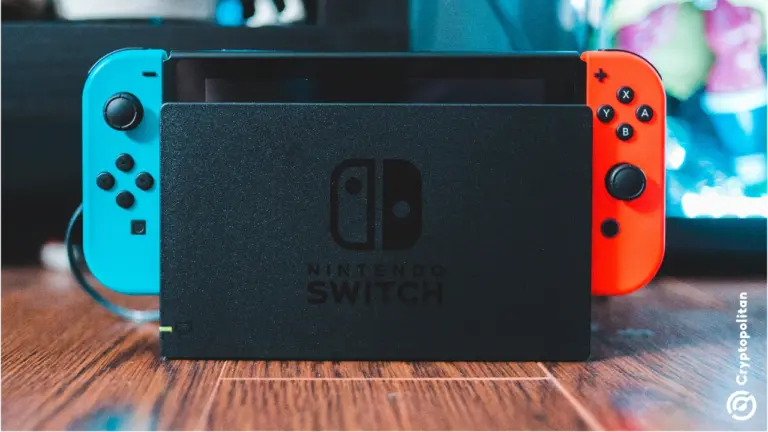
Nintendo says rising development costs for its upcoming Switch 2 will be managed through new methods as it moves to the Switch 2 era.
At a shareholders meeting recently, President of Nintendo Shuntaro Furukawa acknowledged that game projects have grown “larger in scale and longer in duration, resulting in higher development costs.” He noted that the game business is always risky and that these rising expenses raise that risk further.
Furukawa said Nintendo’s teams are “currently devising various ways to maintain our traditional approach to creating games amidst the increasing scale and length of development.” He added that the company sees it as “important to make the necessary investments for more efficient development.”
The first-party lineup for Switch 2 has already shown this push for ambition. Mario Kart World introduces an open-world layout to the long-running racing series, while Donkey Kong Bananza will add a destructive angle to a classic 3D gameplay.
New features come at a higher cost to Nintendo players
Mario Kart World is priced at $79.99, which exceeds many Nintendo releases by $10. The console itself retails at $449.99. It’s $100 more than the Switch OLED.
When asked whether higher prices could alienate younger gamers, Furukawa said, “We are closely monitoring to what degree the price of the system might become a barrier.”
Nintendo isn’t the only one facing game industry challenges. Microsoft’s gaming division recently cut jobs and cancelled several titles, and high-profile projects such as Concord and were shut down along with their studios.
While many publishers have struggled under soaring budgets, Nintendo has largely avoided such turmoil, though that may be harder to sustain as game scope grows.
To balance these pressures, Furukawa pointed to smaller-scale titles. “We also believe it is possible to develop game software with shorter development periods that still offer consumers a sense of novelty.” He added it could help ease worries about rising development and software costs, and they will look at it from various angles across the company.
Don’t just read crypto news. Understand it. Subscribe to our newsletter. It's free.

Noor Bazmi
Noor Bazmi contributes to Cryptopolitan news team equipped with a Media Studies degree. Noor covers news on blockchain, cryptocurrency, artificial intelligence, Big Tech, EV markets, global economics, and government policy shifts. She is taking studies in marketing to connect with global audiences.