







- The Central Bank of Nigeria has accused Binance of acting as a bank without its registration.
- Its deputy director was brought on by the prosecution as a witness.
- He claimed that Nigerians trade on Binance using fake identities.
Nigeria’s central bank (CBN) has thrown a [sort of ] new allegation at Binance, claiming that it was operating as a bank without the proper registration for that.
Fake identities and unauthorized operations
This comes amid the trial of Tigran Gambaryan, who has been in custody for months now. U.S. lawmakers have gone to Nigeria in bids to have him released, but that didn’t work out.
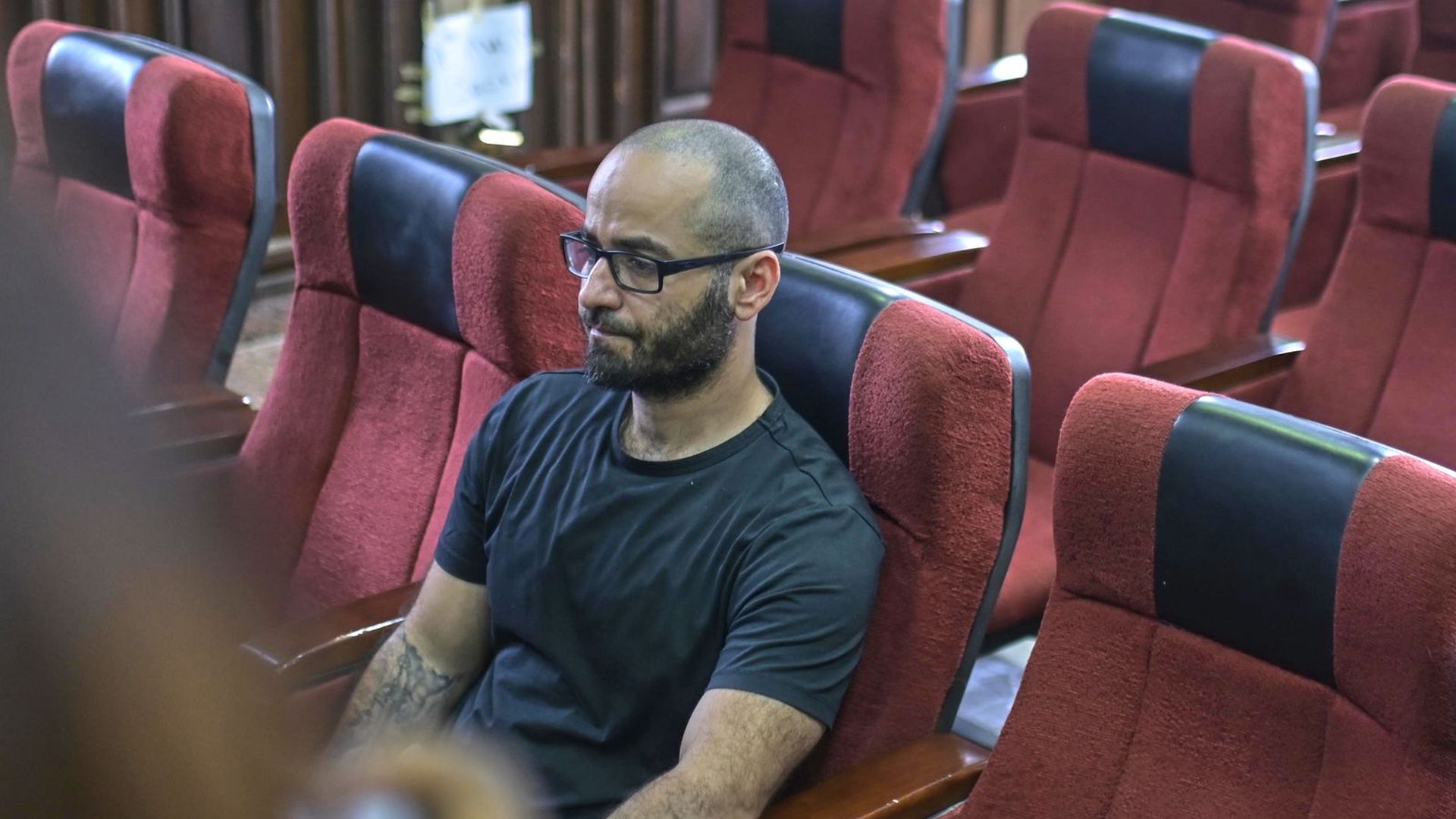
Tigran stands accused of money laundering with over $35 billion. The accusations were first brought on by Nigeria’s Economic and Financial Crimes Commission.
Yesterday, CBN’s deputy director, Olubukola Akinwumi, testified against Binance at the Federal High Court.
He stated that Nigerians are using blockchain’s anonymity to hide their illicit activities. Binance enabled that because it was making them money. He added:
“In the course of carrying out our operations, we normally monitor development within the SEC (Securities and Exchange Commission), monitoring the activities of payment service providers and the usage of the payment system.”
Olubukola claimed that he understands how crypto transactions work, comparing them to traditional wire transfers. He was brought on as the EFCC’s “second witness and crypto expert.”

According to his LinkedIn, Olubukola has a certificate of web 3.0 knowledge from the National University of Singapore. In his opening statement, he described cryptocurrencies as:
“A digital representation of values created by computer systems which can be digitally traded, transferred or used in payments.”
Binance’s P2P was the problem
Olubukola explained how Binance’s P2P works to the Court, saying it provides a “trading place or marketplace for traders and users of virtual assets, otherwise known as cryptocurrency.” He mentioned that it also offers electronic and fiat wallets.
The documents that Binance gave the SEC as evidence of their innocence also made an appearance during the trial. The prosecution has argued that the P2P trading is what broke the naira and caused its value to decrease by nearly 50% in just a year.
According to Olubukola:
“Depositing and withdrawing Naira, which ‘NGN’ stands for Naira, is a regulated activity carried out by banks and other financial institutions duly registered by CBN.”
He added that although Binance does not charge deposit fees, there is still a flat fee for each withdrawal to cover transaction costs. Judge Nwite has now adjourned the case until July 16 when the defense will cross-examine Olubukola.
Reporting by Jai Hamid
Don’t just read crypto news. Understand it. Subscribe to our newsletter. It's free.
Disclaimer. The information provided is not trading advice. Cryptopolitan.com holds no liability for any investments made based on the information provided on this page. We strongly recommend independent research and/or consultation with a qualified professional before making any investment decisions.

Jai Hamid
Jai Hamid has been covering crypto, stock markets, technology, the global economy, and the geopolitical events that affect markets for the past 6 years. She has worked with blockchain-focused publications including AMB Crypto, Coin Edition, and CryptoTale on market analyses, major companies, regulation, and macroeconomic trends. She has attended London School of Journalism and thrice shared crypto market insights on one of Africa’s top TV networks.









