



Iran shuts down claims of negotiations with Trump admin as US envoys leave for Pakistan

- Iran denied any direct meeting with U.S. negotiators in Pakistan.
- Trump sent Steve Witkoff and Jared Kushner to Islamabad anyway.
- The U.S. kept pressure on Iran through the Hormuz blockade, oil waivers, and sanctions.
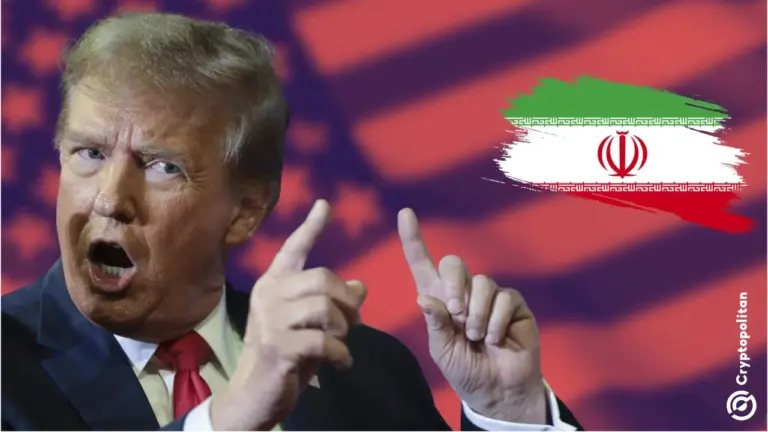
Iran denied that its officials would meet U.S. negotiators in Pakistan this weekend, even as the Trump administration sent two senior envoys to Islamabad.
The denial came after Iranian Foreign Minister Abbas Araghchi met Pakistan’s army chief Asim Munir on Saturday, based on a post from the Iranian embassy in Pakistan on X.
Tehran’s message was blunt. A senior Iranian official said Iran had no plan to sit with the U.S. team. Foreign Ministry spokesperson Esmaeil Baqaei said late Friday, “No meeting is planned to take place between Iran and the U.S. Iran’s observations would be conveyed to Pakistan.”
Iran uses Pakistan as the channel while Trump sends Steve and Jared to Islamabad
White House press secretary Karoline Leavitt said on Fox News that U.S. special envoy Steve Witkoff and Jared Kushner would travel to Pakistan on Saturday morning for “direct talks” with Iranian counterparts.
Karoline said, “The Iranians reached out” and asked for an in-person conversation after President Donald Trump told them to do so. She said Trump was sending Steve and Jared “to go hear what they have to say,” and added that the White House hoped the trip could help push both sides toward a deal.
Vice President JD Vance will not join the weekend trip. JD led the first U.S. team that met in Islamabad two weeks ago. That round ended with no agreement. A second U.S. trip had been expected earlier this week, but it was delayed after Iranian officials reportedly said they would not attend.
Trump later told Reuters that Iran would be “making an offer.” He also said he did not know what the offer would be and added, “we’ll have to see.”
Abbas had already said he was starting what he called a “timely tour” of Islamabad, Muscat, and Moscow. He said the trip was meant to coordinate with partners on bilateral issues and regional developments.
Karoline said the Pakistan talks would be “intermediated by the Pakistanis,” which means Islamabad is being used as the go-between while both sides argue over what this process even is.
Washington keeps the blockade in place as oil waivers and sanctions hit Iran
The biggest pressure point is still the Strait of Hormuz, the oil route that has become the center of the crisis. Ship traffic there has slowed badly after Iranian threats and a U.S. naval blockade that began last week. Trump told Reuters the U.S. will not lift the blockade on Iranian ports until there is a deal.
The U.S. is also tightening oil pressure. Treasury Secretary Scott Bessent told The Associated Press that Washington will not renew a one-time waiver that allowed buyers to purchase Iranian oil already at sea.
“Not the Iranians,” Scott said. “We have the blockade, and there’s no oil coming out.”
Scott also said, “And we think in the next two, three days, they’re going to have to start shuttering production, which will be very bad for their wells.”
He said the U.S. also does not plan to renew a waiver for Russian oil and petroleum products that are already at sea.
Washington then sanctioned Hengli Petrochemical (Dalian) Refinery Co., Ltd., an independent Chinese teapot refinery, over purchases of Iranian oil products. The company is linked to Hengli Petrochemical (600346[.]SS).
The U.S. Treasury said Chinese teapot refineries remain important buyers for Iran’s oil economy and said Hengli had bought billions of dollars in Iranian crude and petroleum products.
The dispute is adding more pressure to a ceasefire announced on April 7. That ceasefire was already weak because Trump had warned that Iran’s “whole civilization will die” if no deal is reached.
Defense Secretary Pete Hegseth complained that keeping Hormuz open should not be America’s job alone. Pete repeated Trump’s complaint that Europe was not doing enough. “Europe and Asia have benefited from our protection for decades, but the time for free riding is over,” he said.
If you're reading this, you’re already ahead. Stay there with our newsletter.
Disclaimer. The information provided is not trading advice. Cryptopolitan.com holds no liability for any investments made based on the information provided on this page. We strongly recommend independent research and/or consultation with a qualified professional before making any investment decisions.

Jai Hamid
Jai Hamid has been covering crypto, stock markets, technology, the global economy, and the geopolitical events that affect markets for the past 6 years. She has worked with blockchain-focused publications including AMB Crypto, Coin Edition, and CryptoTale on market analyses, major companies, regulation, and macroeconomic trends. She has attended London School of Journalism and thrice shared crypto market insights on one of Africa’s top TV networks.









