





- Iran said it seized two container ships in the Strait of Hormuz after the U.S. extended the ceasefire.
- UKMTO said two vessels were attacked, while Iranian media said a third ship was also targeted.
- Brent rose to $99.03, and WTI climbed to $90.13 as the strait stayed closed.
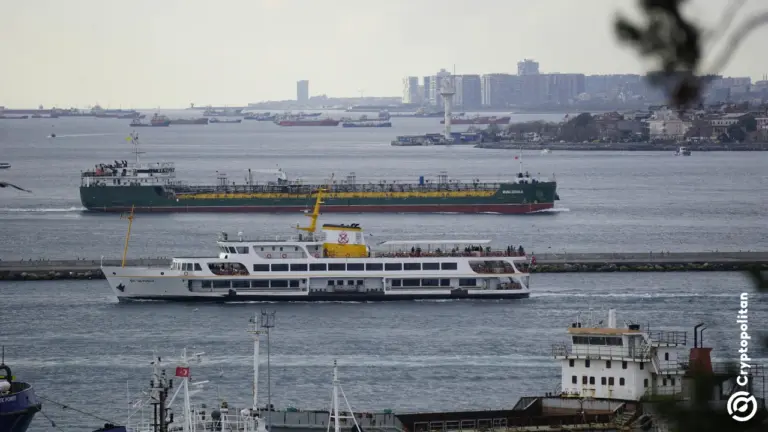
Iran answered Trump’s ceasefire extension with a new clash at sea on Wednesday, saying it seized two container ships in the Strait of Hormuz that remains closed as of right now.
Meanwhile, Brent crude for June rose 0.5% to $99.03 a barrel after briefly crossing $100, while West Texas Intermediate for June also gained 0.5% to $90.13.
The first alert from the United Kingdom Maritime Trade Operations, or UKMTO, said a vessel reported coming under fire about 8 nautical miles off the coast of Iran at 8:38 am UTC.
The agency said the crew was safe, all personnel were accounted for, and the vessel did not suffer damage. UKMTO also warned of “high levels of activity” in the Strait of Hormuz area, and said an attack took place about 15 miles northeast of Oman at 5:47 a.m. London time.
In that case, a container ship was approached by a Revolutionary Guard gunboat. The British agency said the Guard vessel opened fire and caused “heavy damage” to the bridge.
Iranian media identified the vessels as the MSC-FRANCESCA and the EPAMINODES, with the former described in Iranian reporting as being linked to the Zionist regime. Iranian media also said both ships were operating without authorization, repeatedly breaking regulations, and tampering with navigation aid systems in a way that put maritime safety at risk.
State media then said the ships were seized and transferred to Iranian shores. Separate Iranian reports added that a third vessel had also been hit by the country’s military.
“The fact that the ceasefire is extended implies there is no rise in the probability of fighting leading to huge damage to global energy infrastructure,” Daan Struyven, co-head of global commodities research at Goldman Sachs, said. “You can’t draw inventories forever. It’s a fairly broad-based and very intense commodity shock, and the problem for policymakers is that they don’t fully control the duration of this shock.”
Abbas blames the U.S. and Europe as Iran steps back from Friday talks
The political message from Iran hardened at the same time. Tasnim reported that Iran has “no plans” to negotiate with the U.S. on Friday. That came as Iranian Foreign Minister Abbas Aragchi held a phone call with Italian Foreign Minister Antonio Tajani on Wednesday.
The two men discussed regional developments and the security, legal, and economic fallout from what Iran described as the U.S.-Israeli war of aggression against Iran.
Abbas criticized European countries for staying silent over what he called unlawful U.S. and Israeli military attacks on Iran. He said that silence damages international law and the non-proliferation regime.
Abbas also raised Europe’s response to attacks on Iran’s peaceful nuclear facilities and called that silence unacceptable. Abbas said this kind of double standard is helping wear down international law and the non-proliferation system.
During the call, Abbas laid out what he said the U.S. and the Zionist regime had done in the recent attacks. He said all countries have a duty to condemn clear violations of the United Nations Charter and international law.
He said the current crisis in the Strait of Hormuz came directly from unlawful and unilateral U.S. military action against a sovereign U.N. member state.
Abbas also said Iran, as a coastal state, has taken steps under international law to protect its national security from threats and aggression. He added that the aggressors are responsible for the global economic damage coming out of this crisis.
Earlier on X, Abbas had said: “Blockading Iranian ports is an act of war and thus a violation of the ceasefire. Striking a commercial vessel and taking its crew hostage is an even greater violation. Iran knows how to neutralize restrictions, how to defend its interests, and how to resist bullying.”
If you're reading this, you’re already ahead. Stay there with our newsletter.
Disclaimer. The information provided is not trading advice. Cryptopolitan.com holds no liability for any investments made based on the information provided on this page. We strongly recommend independent research and/or consultation with a qualified professional before making any investment decisions.

Jai Hamid
Jai Hamid has been covering crypto, stock markets, technology, the global economy, and the geopolitical events that affect markets for the past 6 years. She has worked with blockchain-focused publications including AMB Crypto, Coin Edition, and CryptoTale on market analyses, major companies, regulation, and macroeconomic trends. She has attended London School of Journalism and thrice shared crypto market insights on one of Africa’s top TV networks.









