




India, Germany strike economic pacts to deepen trade, energy cooperation
 Collins J. Okoth
3 mins read
Collins J. Okoth
3 mins read
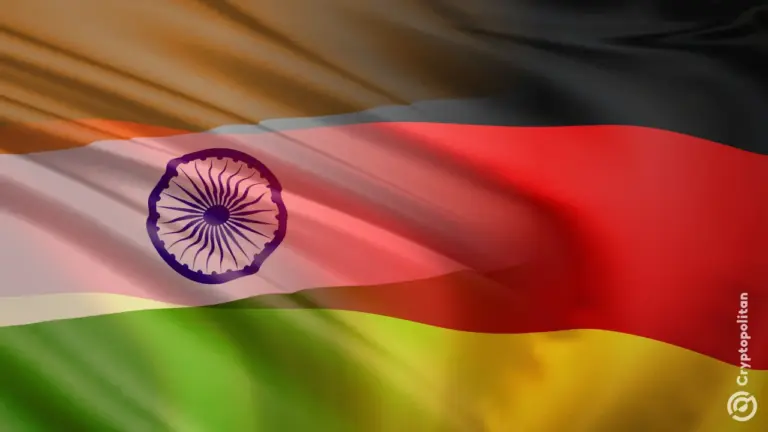
- German Chancellor Merz and Prime Minister Modi signed agreements enhancing trade, energy, rare earth, and skills cooperation.
- U.S. Ambassador Gor highlighted efforts to negotiate a bilateral trade pact despite high tariffs on Indian oil.
- China is committed to increasing its purchases of Indian goods and expanding practical trade cooperation with India’s manufacturing sector.
Indian Prime Minister Narendra Modi met with German Chancellor Friedrich Merz in Gandhinagar to strengthen business ties between India and Europe. The two leaders signed agreements on trade, energy, rare earth mining, and skills development as part of efforts to enhance bilateral economic cooperation.
Modi stated that they sought to strengthen their relationship with Germany, which is India’s largest trading partner in the EU. He said the two nations are pursuing new initiatives in fields including energy, rare earth element mining, and climate action.
India and Germany promote economic cooperation, trade, and healthcare
Germany’s Merz stated that the two countries are actively working on a bilateral trade pact to strengthen their strategic and economic ties. He emphasized that India has “tremendous economic potential” and is collaborating to deepen their economic policy and defense cooperation links.
The German ambassador-designate stated, “India is a desired partner, a partner of choice for Germany.” He noted that negotiations on a free trade deal must be completed to fully grasp the potential of economic links between India and the EU.
During the bilateral trade discussions, the two nations signed an agreement that facilitates Indian employment in Germany’s healthcare industry.
Merz’s trip to India precedes an upcoming summit between the EU and India later this month. Leaders aim to advance a long-pending free trade pact. Notably, the trip to India is his first trip to an Asian nation since taking office last year.
India is expanding its global trade amid U.S.-China tensions
India has been working to cultivate positive relationships with other countries in order to stabilize its economy.
On January 12, Sergio Gor, the U.S. ambassador-designate to New Delhi, stated that the two countries are actively working on a bilateral trade pact to strengthen their strategic and economic ties.
India and the U.S. had weakened economic ties after India became the second-largest consumer of Russian crude behind China since Russia’s full-scale invasion of Ukraine in February 2022. The action irritated the Trump administration, which accused the purchases of feeding Moscow’s war machine.
In August of the previous year, President Donald Trump issued an executive order imposing an extra 25% duty on India for its purchases of Russian oil, raising the total tariffs levied by the U.S. to a high 50%.
“Real friends can disagree, but always resolve their differences in the end,” Gor said in an address on his first day in office at the U.S. Embassy. “Remember, India is the world’s largest nation, so it’s not an easy task to get this across the finish line, but we are determined to get there.”
Gor, who is also the U.S. special envoy to South and Central Asia, announced that India will be formally invited next month to join a U.S.-led strategic initiative called Pax Silica as part of a broader partnership.
Last year, Cryptopolitan reported that Xu Feihong, Beijing’s ambassador to India, stated that in an attempt to balance the commercial relationship, Beijing planned to purchase more Indian goods suitable for the Chinese market.
The announcement coincided with the U.S. government’s preparation to impose reciprocal tariffs on nations worldwide, with a focus on China and India due to what Trump views as “unfair trade practices.”
Xu Feihong stated that the Chinese government was willing to work with the Indian side to strengthen practical cooperation in trade.
In the travel sector, the Indian government allowed Chinese tourists to get tourist visas after years of restrictions. China remains India’s second-largest economic partner, after the United States, and supplies essential parts to the country’s manufacturing sectors.
In July of last year, Modi met with President Luiz Inacio Lula da Silva in Brazil to boost trade between the two nations. The two leaders agreed during an August call to broaden India’s trade pact with Mercosur, the South American trade bloc that includes Brazil.
Don’t just read crypto news. Understand it. Subscribe to our newsletter. It's free.
Disclaimer. The information provided is not trading advice. Cryptopolitan.com holds no liability for any investments made based on the information provided on this page. We strongly recommend independent research and/or consultation with a qualified professional before making any investment decisions.
Collins J. Okoth
Collins Okoth is a journalist and markets analyst with 8 years of experience covering crypto and technology. He is a is a Certified Financial Analyst and holds a degree in Actuarial Mathematics. Collins has previously worked with Geek Computer and CoinRabbit as a writer and editor.









