






Gen Z’s job crisis isn’t about AI after all

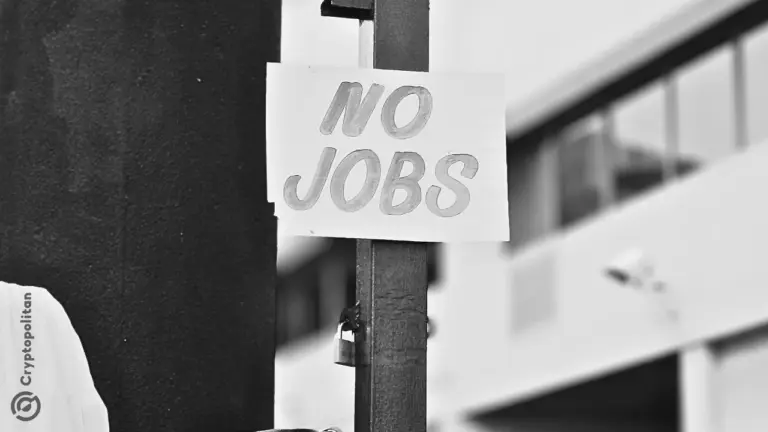
Photo by Hennie Stander on Unsplash.
- The U.S. is in a phase where companies are neither hiring nor firing much.
- This stagnation hits young jobseekers hardest, especially recent graduates and minorities, making it unusually hard to land first jobs.
- While AI adoption may contribute, leading economists and the Fed argue the main drivers are a slower economy and cautious hiring.
Youth unemployment in the United States has climbed sharply in 2025. Economists and policy officials describe the pattern as a “no hire, no fire” phase, where companies mainly hold on to current staff, add few positions, and seldom cut jobs, rather than a sudden shock from artificial intelligence.
Federal Reserve Chair Jerome Powell gave that view public weight at his regular press conference after the Federal Open Market Committee meeting. He called it an “interesting labor market,” noting that “kids coming out of college and younger people, minorities, are having a hard time finding jobs.”
He pointed to a low job-finding rate paired with a low redundancy rate, “you’ve got a low firing, low hiring environment”, which makes it tougher than usual for first-time jobseekers to get in the door.
Deutsche Bank has dubbed recent months “the summer AI turned ugly,” and some studies link AI uptake to pressure on entry-level hiring.
Powell, however, said AI “may be part of the story,” while arguing the main drivers are a cooler economy and tighter hiring plans. Economists at Goldman Sachs and UBS soon echoed that reading, concluding that this is not primarily an AI event, at least not yet.
On Friday, UBS chief economist Paul Donovan released an analysis titled “The Kids Are Alright?” As reported by Fortune, he argued that the U.S. spike in youth unemployment runs counter to trends abroad and cannot be laid solely at the feet of automation.
Decline in job reallocation slows opportunities
Goldman Sachs economist Pierfrancesco Mei wrote on Thursday that “finding a job takes longer in a low-turnover labor market.” He examined “job reallocation”, the creation and destruction of roles, and showed it has fallen since the late 1990s, though more gradually in recent years. Today, most movement is “churn,” or switching among existing jobs.
Goldman reported that in 2025 churn sits well below its pre-pandemic pace across industries and states, and the drag “mostly fall[s] on younger workers.” In 2019, a young unemployed person in a low-churn state typically landed work in about 10 weeks; now it takes about 12 weeks on average.
Donovan writes that “it might be tempting to blame technology,” since stories of machines replacing people are common. He concludes, in line with Goldman, that the U.S. pattern “more convincingly fits a broader hiring freeze narrative, affecting new entrants to the workforce.”
Trade careers offer a safer path
Donovan also argues this helps explain why less-educated young workers seem less exposed. Many high school dropouts secure full-time roles earlier, and a number likely did so before the 2025 slowdown set in. With college enrollment trending lower over time, more young people are opting for skilled trades. Some build blue-collar businesses earning six-figure incomes, while classmates take on student-loan debt.
Past experience shows the risks for new graduates during “no fire, no hire” periods. In the Great Recession, when hiring stalled across entire sectors, those finishing college between 2007 and 2011 faced too few entry-level openings.
A Stanford briefing found they earned less than cohorts graduating in normal times, and the gap lingered for 10–15 years.
That history raises the stakes for Gen Z and for minority job seekers now. Economists warn about “scarring effects”, lasting hits to pay, the ability to buy a home, and wealth building. Starting out in a slump often means lower wages and a tougher climb.
Powell, speaking Wednesday, also pointed to other forces weighing on labor supply, including stricter immigration policies, and said minorities are having a harder time finding work in the 2025 freeze.
If you're reading this, you’re already ahead. Stay there with our newsletter.

Noor Bazmi
Noor Bazmi contributes to Cryptopolitan news team equipped with a Media Studies degree. Noor covers news on blockchain, cryptocurrency, artificial intelligence, Big Tech, EV markets, global economics, and government policy shifts. She is taking studies in marketing to connect with global audiences.









