




Europe says its sanctions on Russia will harm the global economy, but won’t back off over it

- The EU will sanction companies in China and India for helping Russia sell oil despite bans.
- Ursula von der Leyen confirmed full transaction bans on Rosneft and Gazprom Neft.
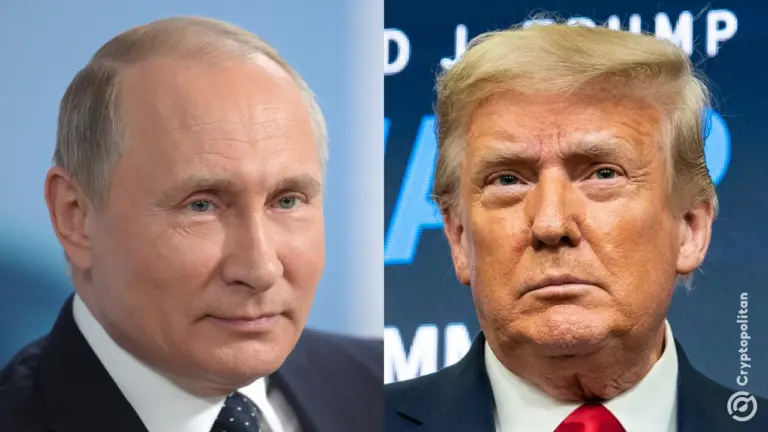
- Trump pushed the EU to hit Russian oil buyers with secondary tariffs, and they responded.
The European Union is moving forward with a new sanctions package against Russia, and they’re not pretending it won’t have global fallout.
Brussels is going after oil, and not just Russia’s oil firms, but the ones outside Europe helping Moscow keep the cash flowing. This is the bloc’s toughest swing yet at Russia’s energy trade, and they know full well it’s going to hit the global market.
The update came on Friday from European Commission President Ursula von der Leyen, who said the EU’s new measures would target what she called “third-country” actors, meaning companies not based in Europe but still trading in Russian oil.
“We are now going after those who fuel Russia’s war by purchasing oil in breach of the sanctions,” Ursula said. “We target refineries, oil traders, petrochemical companies in third countries, including China.” Around a dozen companies from China and several in India are in the crosshairs, according to the people briefed on the plans.
Russia is showing the full extent of its contempt for diplomacy and international law.
So we’re increasing the pressure.
With our 19th package of sanctions covering energy, financial services and trade restrictions ↓ https://t.co/uW7HuZp3br
— Ursula von der Leyen (@vonderleyen) September 19, 2025
Trump tells EU to ramp it up, Brussels listens
This move came just days after U.S. President Donald Trump, now back in the White House, pushed Europe to stop dragging its feet. Trump publicly urged EU leaders to ramp up pressure on Russia’s energy business and introduce secondary tariffs on buyers of Russian oil. Now, with Ursula’s statement, it looks like Europe’s finally listening.
One of the early examples is Nayara Energy, which runs a big refinery in India. They’ve already been hit with EU sanctions. That action shows Europe isn’t tiptoeing around trade ties with Asia anymore. The tone has shifted. They’re done protecting relationships that help Russia dodge the rules.
So far, the oil market hasn’t panicked. Prices stayed steady through Friday. Previous rounds of sanctions did little to cut into Russia’s exports. But this one’s broader. Rosneft and Gazprom Neft, two of the Kremlin’s key energy giants, are now fully blocked from doing business with EU firms.
On top of that, more than 100 new tankers are being sanctioned; 118 vessels from what’s known as the shadow fleet. That brings the EU’s blacklist to over 560 ships. These are the tankers that sneak Russian oil across oceans without detection. Not anymore.
Ursula also announced the EU wants to bring forward its ban on Russian liquefied natural gas. The original deadline was 2028. Now, they want it done by January 2027. That’s not a soft push. That’s cutting off another source of Russia’s revenue stream one year earlier than planned.
EU admits it’ll hurt, does it anyway
Despite everything, the EU isn’t pretending there won’t be blowback. These sanctions are expected to affect parts of the global oil system. But for them, the tradeoff is worth it. They’re aiming to hit Moscow’s war machine where it hurts, even if that messes with global supply chains in the short or long term.
But here’s the deal, Russia only makes up a small chunk of the global economy. About 2.9% to be exact, which equals around $2 trillion. That’s not nothing, but it’s also not enough to send the entire system into chaos. Europe sees this as a manageable risk. A big punch, but not a world-ending one.
Trade-wise, Russia’s tied into global markets, but not deeply. Imports and exports make up just over 40% of its GDP. That’s more than the U.S. (25%), less than Germany (75%). But when it comes to how integrated Russia is in supply chains, it barely registers. Out of all WTO and OECD countries, it’s got the smallest role. In Germany, 30% of exports are built using imported components. In Russia, that number is under 10%. The only exception is cars, where it goes up to 20%.
So even if the country crashes, suppliers in other countries wouldn’t really notice. Russia just isn’t that deeply tied into manufacturing networks outside its borders. We’ll probably be fine.
Don’t just read crypto news. Understand it. Subscribe to our newsletter. It's free.
Disclaimer. The information provided is not trading advice. Cryptopolitan.com holds no liability for any investments made based on the information provided on this page. We strongly recommend independent research and/or consultation with a qualified professional before making any investment decisions.

Jai Hamid
Jai Hamid has been covering crypto, stock markets, technology, the global economy, and the geopolitical events that affect markets for the past 6 years. She has worked with blockchain-focused publications including AMB Crypto, Coin Edition, and CryptoTale on market analyses, major companies, regulation, and macroeconomic trends. She has attended London School of Journalism and thrice shared crypto market insights on one of Africa’s top TV networks.









