




EU sanctions on Russian energy go live after $163 billion state‑asset dispersal

-
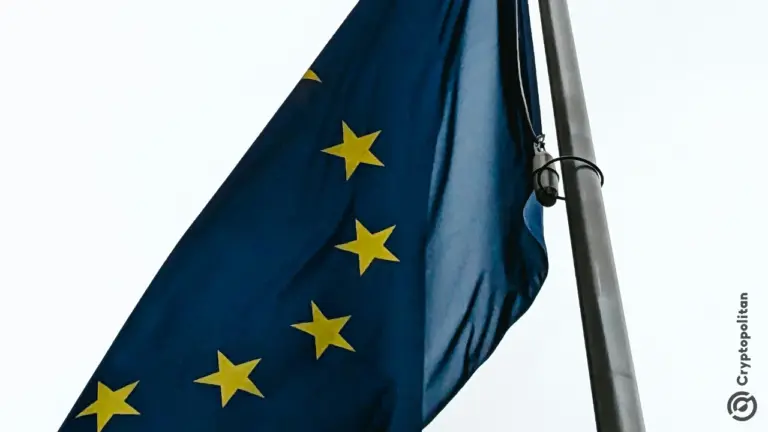
The EU has finalized a legal ban on new Russian gas, oil, and LNG contracts starting January 1, 2026.
-
The deal includes tighter tracking of shipments, shadow fleets, and harmonized penalties across member states.
-
$163 billion in frozen Russian assets are being considered to fund Ukraine through a conditional “reparation loan.”
The European Union rolled out its toughest blow yet against Russia, after lawmakers and member states signed off on a full ban covering Russian gas, LNG, oil, and petroleum products.
The decision came as Brussels also pushed ahead with plans to channel $163 billion in frozen Russian state assets toward Ukraine, tying energy pressure and financial leverage together in one move.
Officials said the new rules shut the loopholes that let fuel slip into the bloc through indirect routes and ensure the flow of Russian money into Europe’s energy system ends for good.
The agreement also lands at a moment when the European Commission works on a plan to turn those frozen state assets into a “reparation loan” for Kyiv.
The plan covers Ukraine’s financial needs for the next two years and only requires repayment if Russia pays formal damages for the war. The Commission said its structure stays legal because it does not count as confiscation of sovereign property.
Belgium’s government, which oversees a major share of the frozen funds held inside a Belgian institution, argued that it has concerns but that its demands are “not unresolvable.”
EU blocks new Russian energy contracts
Inese Vaidere, the European Parliament’s negotiator for the International Trade committee, said the deal leaves no confusion about the bloc’s position.
“Tonight’s agreement sends a clear and powerful message: Europe will never again be dependent on Russian gas.” Inese said Parliament put forward “an exceptionally firm and sound position” during talks and pushed the Commission into stronger terms.
She said the final agreement is a compromise because member states had different interests, but noted that Europe spent more money buying fuel from Russia than it sent in aid to Kyiv, adding that every day of purchases “means lives lost in Ukraine.”
The rule cuts off all new Russian energy contracts starting January 1, 2026, covering gas, LNG, oil, and refined products.
Brussels added an exemption from prior authorization for gas imports but paired it with tight monitoring, especially on shadow fleets and complex ownership structures. Member states will now apply harmonized maximum penalties, which closes the gap between countries that once had weaker enforcement.
Andrea Wechsler, representing the Industry, Research and Energy committee, said the phase-out serves “security, sovereignty, and shared European values.”
Andrea said Europe must end this reliance in a way that keeps energy affordable for households and industries, and that strict checks now close any indirect routes that previously slipped through.
She said the system keeps the door open for other suppliers by avoiding heavy administrative burdens, calling the design “proportionate.”
EU fights over frozen Russian assets
Belgium objected to the Commission’s early blueprint to move 140 billion euros of frozen Russian state assets toward Ukraine before the document was even unveiled.
The country’s budget minister Frédéric Prevot said Belgium’s requirements had not been met and that other members had shown “a lack of solidarity.” Belgium’s concern stems from the fact that much of the frozen money is held inside its financial system.
The Commission’s plan includes a second funding channel. Brussels could go into global markets and borrow, or it could blend borrowing with the frozen funds.
Reuters had exclusively reported that borrowing would get money to Kyiv faster while the EU sorts out legal complexities and political disputes around ownership and repayment.
Those complexities grew after Washington backed a 28-point plan that suggested some Russian assets could go into a joint American-Russian investment vehicle, an idea many European governments did not welcome. Still, most EU capitals prefer using frozen Russian money rather than borrowing sums that taxpayers would have to repay.
Under the Commission’s legal model, Ukraine only owes money back if Russia one day pays reparations for the war. The Commission said this keeps the plan lawful because it does not seize Russia’s sovereign wealth outright.
Don’t just read crypto news. Understand it. Subscribe to our newsletter. It's free.
Disclaimer. The information provided is not trading advice. Cryptopolitan.com holds no liability for any investments made based on the information provided on this page. We strongly recommend independent research and/or consultation with a qualified professional before making any investment decisions.

Jai Hamid
Jai Hamid has been covering crypto, stock markets, technology, the global economy, and the geopolitical events that affect markets for the past 6 years. She has worked with blockchain-focused publications including AMB Crypto, Coin Edition, and CryptoTale on market analyses, major companies, regulation, and macroeconomic trends. She has attended London School of Journalism and thrice shared crypto market insights on one of Africa’s top TV networks.









