





China drafts bill to regulate local purchases of Nvidia’s H200 chip this month

- China is drafting rules to cap how many Nvidia H200 chips local companies can buy while avoiding a full ban.
- The U.S. has approved H200 sales to China, but Beijing will decide which firms get chips and in what quantities.
- Chinese companies ordered over two million H200 units at about $27,000 each, far above available supply.
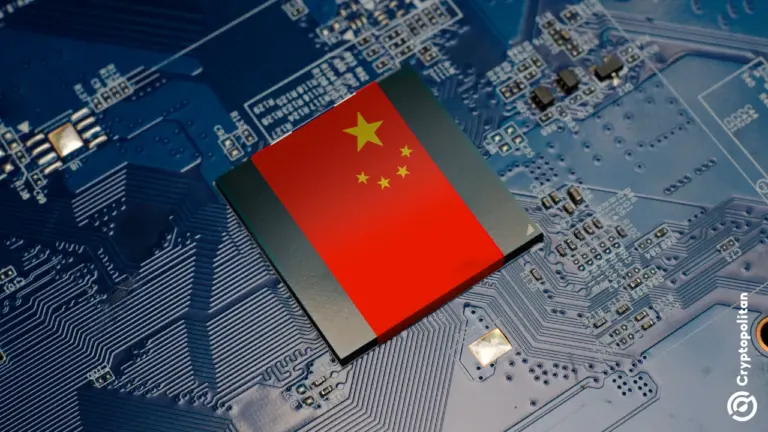
China is drafting a new regulatory bill that will control how many advanced AI chips local companies can buy from foreign suppliers, specifically Nvidia, according to Nikkei Asia.
This of course is part of Xi Jinping’s mission to support state-backed chipmakers over American ones since Trump started a tech and trade war no one wanted.
Demand for Nvidia inside China is still high, especially from large platforms that rely on heavy computing power to run AI models at scale.
Chinese companies have placed orders for more than two million H200 chips, each priced at roughly $27,000. That figure far exceeds available supply. Nvidia is estimated to have around 700,000 units in inventory, creating a large gap between orders and deliverable stock.
Earlier, the U.S. government confirmed it will allow sales of H200 AI computing chips into China, reopening the door for limited exports after months of uncertainty. Chinese regulators, however, are not leaving this unchecked. The draft rules are designed to cap volumes instead of blocking sales outright, giving Beijing tighter control over how foreign hardware is used inside the country.
Beijing prepares quotas and approval process for H200 imports
Nikkei claims that Jinping is creating a system that will regulate the total number of high-end AI chips Chinese firms can purchase. Initial approvals for specific H200 quantities could arrive before the end of the month.
Companies will not receive automatic clearance, as each buyer must explain why the chips are needed and why local alternatives cannot handle the same workload.
Government agencies have held repeated meetings with leading technology firms to review current use of foreign chips. Officials have focused heavily on inferencing workloads, which involve running trained AI models rather than building them.
Reportedly, the process is also looking at purchase ratios. Under this approach, companies may face limits on how many foreign AI chips they can buy compared to domestic ones. This framework is still being finalized. At the same time, officials have begun asking companies about expected demand for Nvidia Blackwell chips, even though those products have not been approved by Washington for export.
The policy effort has already caused confusion on the ground. Chinese customs authorities told agents this week that Nvidia H200 chips are not permitted to enter the country. That guidance conflicted with other signals coming from Beijing. Separately, some tech firms were informed that approvals would only be granted under special conditions, mainly for research and development projects tied to universities.
Allowing renewed access to the Chinese market will generate revenue of up to $50 billion for Nvidia and for the U.S. government, which plans to collect a 25% fee on chip sales.
David Sacks, the White House AI czar, had earlier said:- “The question of what we sell China will always be complicated, and there’s room for a wide range of opinions on that. But the question of whether we sell to the rest of the world, especially our friends and allies, should be an easy one. The hawkish position with respect to China is to help American companies win the AI race, not to help Huawei create a Digital Silk Road.”
If you're reading this, you’re already ahead. Stay there with our newsletter.
Disclaimer. The information provided is not trading advice. Cryptopolitan.com holds no liability for any investments made based on the information provided on this page. We strongly recommend independent research and/or consultation with a qualified professional before making any investment decisions.

Jai Hamid
Jai Hamid has been covering crypto, stock markets, technology, the global economy, and the geopolitical events that affect markets for the past 6 years. She has worked with blockchain-focused publications including AMB Crypto, Coin Edition, and CryptoTale on market analyses, major companies, regulation, and macroeconomic trends. She has attended London School of Journalism and thrice shared crypto market insights on one of Africa’s top TV networks.









