





-
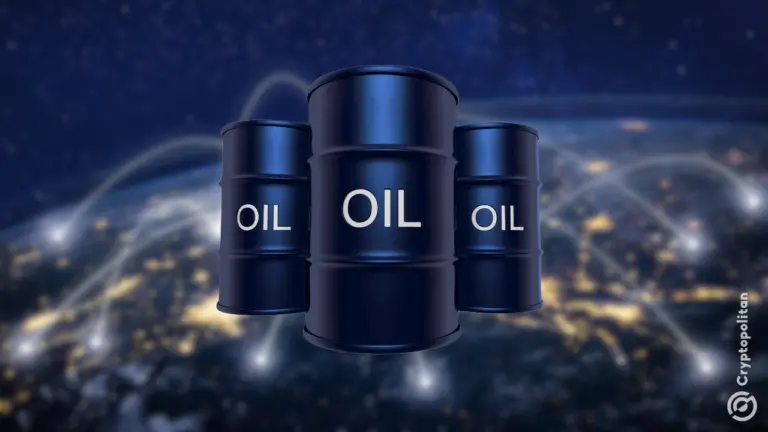
China refiners skipped Venezuelan crude this week as U.S. naval pressure pushed Merey prices higher and narrowed discounts.
-
Shipments to China fell last month after the blockade disrupted tankers and raised shipping costs.
-
Refiners are leaning on existing supplies and floating storage near China and Malaysia instead of buying new barrels.
China’s oil buyers are walking away from Venezuelan crude. Prices are no longer cheap, and U.S. warships are tightening the squeeze.
The discount on Merey crude, Venezuela’s export grade, has narrowed from $15 below Brent to $13 below, according to Bloomberg. It’s not a small change too. With China being Venezuela’s biggest customer, the impact is immediate.
Bloomberg data shows crude loadings to China fell hard last month. The naval blockade has choked exports, and shippers are demanding more to move sanctioned barrels. Sellers have passed those costs onto buyers, who now want no part of it.
Traders say refiners in China are waiting it out, especially since they already have full tanks and don’t see strong demand for road-building materials right now.
Buyers hold off as floating storage builds up
Merey is mostly used for making bitumen. But China’s construction slowdown is keeping that demand low. Refiners are stocked up, so they can afford to wait for prices to fall again. There’s no rush to buy when storage is full and outlook is soft.
They also have a backup plan. Tankers carrying 82 million barrels of sanctioned oil, including Venezuelan, are sitting off the coasts of China and Malaysia. That’s data from Kpler. It’s enough to act as a cushion if U.S. pressure tightens even more. If shipments dry up, that floating stockpile will be first in line.
The current supply crunch goes deeper than prices. It’s also political. President Nicolás Maduro was captured over the weekend in a U.S. operation that threw the whole game board into the air.
Brent rose to nearly $62 per barrel, jumping 1.7% the day after his arrest. Markets are betting this shake-up means Venezuela could return to oil production, if the U.S. gets its way.
Washington wants someone new in charge. And they’ve already picked their favorite: Delcy Rodríguez. She’s been Maduro’s No. 2 and served as oil minister.
Executives, lawyers, and oil lobbyists pushed her name hard to U.S. officials, saying she’s the best option to restart the sector. They claim she’s got the right mix of insider knowledge and business ties to make it work.
Rodríguez takes office as oil players seek U.S. sanctions relief
A source allegedly said, “Delcy has always been the one we dealt with. If anyone can get production running again, it’s her.” That same source said top oil executives told the Trump administration she’s the only realistic option to restore output quickly and reopen China’s buying.
Trump’s advisors came to the same conclusion. They believe Rodríguez can cut deals, stabilize the economy, and connect the private sector to the state faster than opposition leader María Corina Machado ever could.
Rodríguez, now sworn in as acting president by the National Assembly, gave a fiery speech on Saturday. She called Maduro’s capture a “kidnapping” and demanded his return. But insiders say the speech was just cover, meant to protect her from backlash while she quietly locks down control.
Chevron, the only U.S. oil firm still operating in Venezuela, said it had “no advance notice of the recent operation” and had “no discussions with administration officials.” A spokesperson said the company is still running in full compliance with local rules and American law.
Still, companies want things to move fast. The pressure is on the Trump team to lift sanctions now so Rodríguez can actually deliver. “There is no time to waste,” one source said. In December, Venezuela had to shut down some wells because there was nowhere left to store oil blocked from export. If this continues, Rodríguez risks losing whatever grip she’s managed to get.
There are fears that more shut-ins could crash production even further, wreck the economy, and weaken Rodríguez before she even starts. But so far, she seems to be gaining ground. She’s using Maduro’s old network to keep things running, at least for now.
The smartest crypto minds already read our newsletter. Want in? Join them.
Disclaimer. The information provided is not trading advice. Cryptopolitan.com holds no liability for any investments made based on the information provided on this page. We strongly recommend independent research and/or consultation with a qualified professional before making any investment decisions.

Jai Hamid
Jai Hamid has been covering crypto, stock markets, technology, the global economy, and the geopolitical events that affect markets for the past 6 years. She has worked with blockchain-focused publications including AMB Crypto, Coin Edition, and CryptoTale on market analyses, major companies, regulation, and macroeconomic trends. She has attended London School of Journalism and thrice shared crypto market insights on one of Africa’s top TV networks.









