





- Bessent accuses China of deliberately harming the global economy through its export controls on rare earths.
- Washington sees Beijing’s actions as a sign of economic weakness and internal political struggles.
- The US plans countermeasures and intensified talks before the Trump–Xi meeting in South Korea.
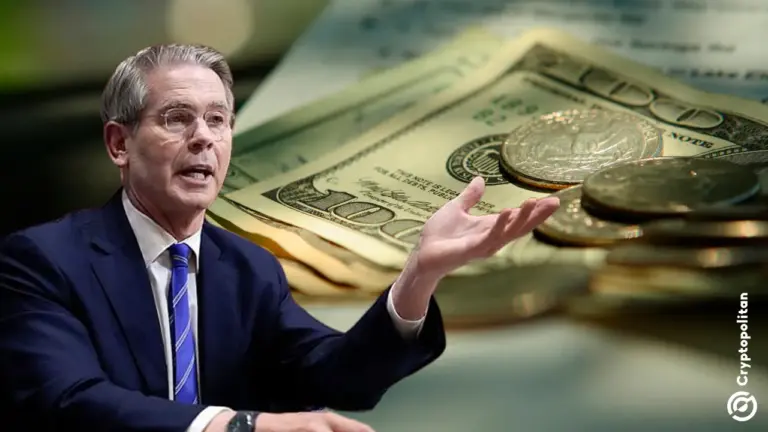
US Treasury Secretary Scott Bessent has accused Beijing of sabotaging the world economy by hoarding rare earths and other critical minerals as it throws shockwaves through global supply chains and sends an unmistakable signal about the sheer dysfunctionality of its own economy.
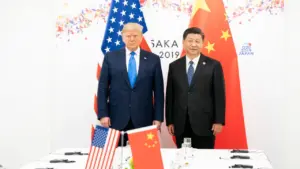
Bessent said the restrictions reflected China’s internal economic struggles and an attempt to pull down other economies along with it. His comments came just three weeks before President Donald Trump is scheduled to meet President Xi Jinping during the Asia-Pacific summit in South Korea.
Bessent accuses China of using export bans to pressure other countries
Bessent said Beijing’s new export controls on rare earths and critical minerals are a desperate move from a struggling economy. He believes China was trying to spread its own economic problems to other nations instead of fixing them at home. “This is a sign of how weak their economy is, and they want to pull everybody else down with them.”
He explained that China remains the largest supplier of rare earths and critical minerals for manufacturing electronics, vehicles, and renewable energy products. But the country risks damaging the same industries that help fuel its own economy by cutting off or restricting exports. “If they want to slow down the global economy, they will be hurt the most,” Bessent warned.
The Treasury Secretary stated that China was facing a “recession or depression,” where growth had nearly halted and confidence among businesses was waning. He thinks Beijing’s leaders were trying to export their way out of trouble by controlling supplies and pushing global markets to react in their favor. But he says this approach was only creating more mistrust and pushing other countries to reduce their dependence on Chinese goods.
Bessent made these comments shortly after President Donald Trump threatened to impose a new 100% tariff on Chinese imports starting on November 1.
Washington prepares countermeasures and questions China’s internal motives
US officials said they were surprised by the sudden and wide-ranging nature of China’s new restrictions on critical minerals, especially since the move came only a few weeks before the Asia-Pacific summit. They said Beijing wanted to gain an advantage before the talks by showing that it could affect key global industries if its demands were ignored.
Intel suggests that the government had drafted countermeasures weeks earlier, like requiring American companies exporting software to China to obtain a special license. This law would slow down many parts of China’s technology industry, including its artificial intelligence sector, chip design firms, and large telecommunications companies.
People directly involved in the trade negotiations said that Chinese trade negotiator Li Chenggang had warned the US side months earlier that Beijing would take what he called “extreme steps” if Washington did not meet its conditions.
Bessent and other senior American officials said that China’s aggressive actions are a result of its rivalry with the United States and divisions within its own government. Different groups in Beijing are competing for control over trade and economic policy, making it difficult for Beijing to send a clear message.
Officials in Beijing said Washington escalated the situation by adding thousands of Chinese companies to its trade blacklist at the end of September, but American officials rejected this argument. One senior official said Beijing’s explanation was only a “pretext” meant to justify a plan that had already been in motion for months. “You can’t prepare this kind of export control in two weeks.”
Another senior official stated that Beijing’s recent actions were “disproportionate,” and that the United States had attempted to remain calm and open to discussion. At the same time, China responded with policies aimed at causing maximum harm. The official stated that Washington offered to hold several private meetings to discuss the restrictions, but China refused to attend any of them.
President Trump even accused China of trying to damage the global economy and warned that the United States would not hesitate to respond if Beijing continued. Chinese officials reached out to Washington to reopen talks within hours of that statement, which suggested that the public pressure had forced them to change their approach.
Bessent explained that internal disagreements, economic troubles, and political pressure were making Beijing act more unpredictably than before. He added that the United States wanted to maintain open communication to prevent the situation from spiraling out of control, while preparing countermeasures.
The smartest crypto minds already read our newsletter. Want in? Join them.
Disclaimer. The information provided is not trading advice. Cryptopolitan.com holds no liability for any investments made based on the information provided on this page. We strongly recommend independent research and/or consultation with a qualified professional before making any investment decisions.

Nellius Irene
Nellius is a Business Management and IT graduate with five years of experience in the cryptocurrency industry. She is also a graduate of Bitcoin Dada. Nellius has contributed to leading media publications, including BanklessTimes, Cryptobasic, and Riseup Media.









